
If you’re thinking about installing a heat pump, one of the first questions you’ll probably ask is: how long is my house going to be a building site? It’s a fair concern. No one wants their heating off for weeks or their hallway full of tools any longer than necessary.
The good news is that most installations are quicker and more straightforward than people expect. The exact timing depends on your home and the system being fitted, but with the right preparation and a clear plan, disruption can be kept to a minimum. Here’s what you can realistically expect.
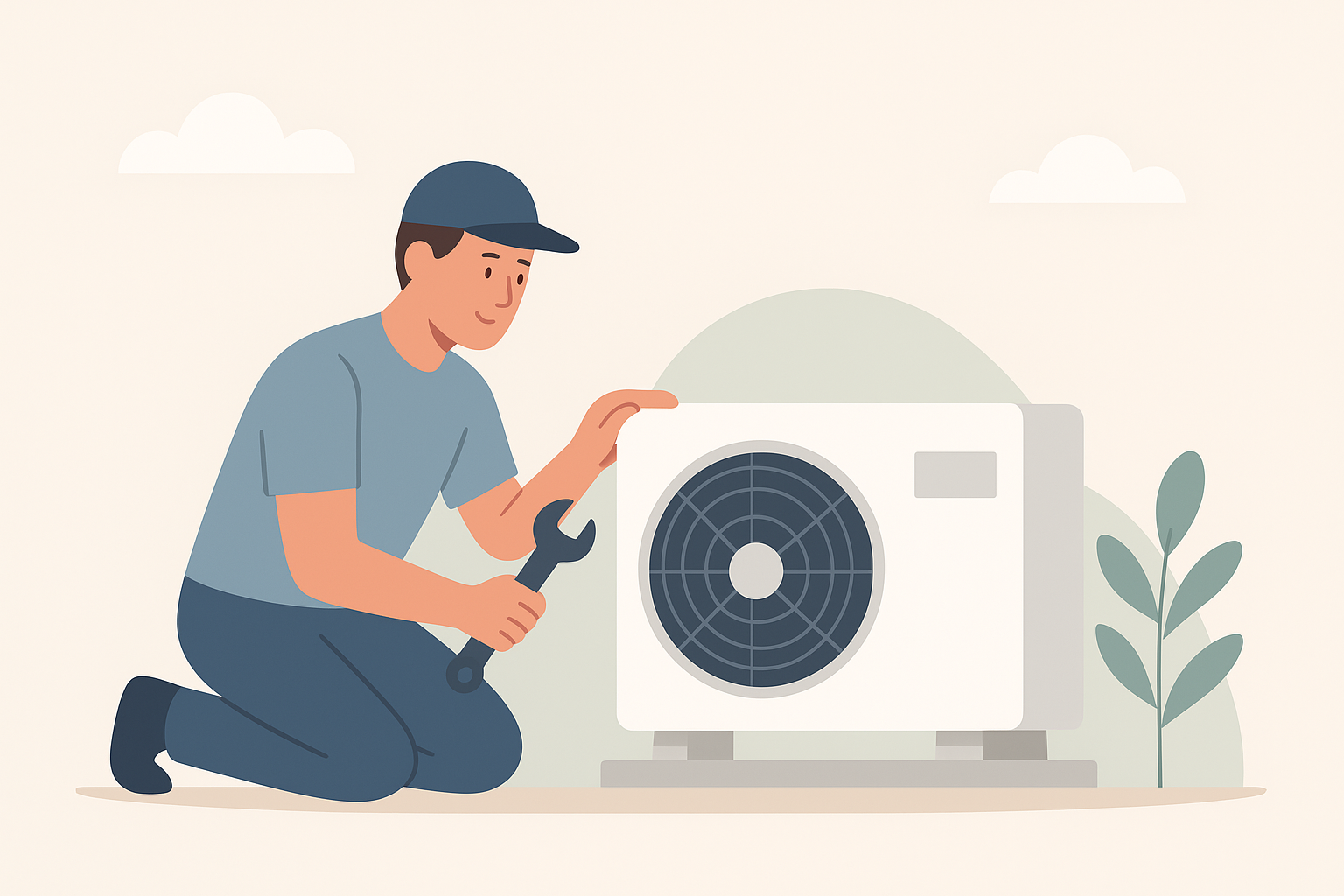
What To Expect From A Heat Pump Installation
For a typical UK home, a heat pump installation usually takes between two and five days. That’s from the first bit of kit arriving on site to the final checks and handover.
In places like Trowbridge and Warminster, where we often work in standard three or four bedroom properties, it’s commonly around three days if the existing heating system is in reasonable shape. Larger homes or properties needing extra upgrades can take a little longer.
It’s worth knowing that much of the planning takes place before we even step through your front door. A proper survey and heat loss calculation mean there are no surprises midway through.
Average Installation Time Explained
To break it down simply:
- Air source heat pump swap with minor upgrades: 2 to 3 days
- Installation with radiator upgrades: 3 to 4 days
- Full system overhaul including cylinder and pipework changes: 4 to 5 days
If you’re in Chippenham or surrounding villages and moving from an older gas or oil boiler, we’ll usually remove the old system on day one, position the outdoor unit and start internal work straight away.
The outdoor unit itself can often be mounted and connected within a few hours. What takes time is ensuring everything inside the property is balanced, properly insulated and commissioned correctly. Rushing this stage is never a good idea.
Factors That Can Affect Installation Duration
1. Existing Heating System
If your current pipework is in good condition and correctly sized, that speeds things up. Older microbore systems or heavily corroded pipework may need upgrading, which adds time.
2. Radiators And Heat Emitters
Heat pumps run at lower flow temperatures than traditional boilers. That often means fitting larger radiators. Swapping several radiators across the home will add a day or more to the job.
3. Hot Water Cylinder Changes
Most heat pump systems require a compatible unvented cylinder. If your airing cupboard needs adjustments to fit a new cylinder, this can extend the schedule slightly.
4. Property Type
A modern estate house in Trowbridge is usually straightforward. A listed cottage in rural Wiltshire with thick stone walls and limited access can be more complex. We sometimes have to get creative with pipe runs while keeping everything tidy.
5. Electrical Work
Heat pumps need a dedicated electrical supply. If your consumer unit is older or near capacity, extra electrical work may be required before the system can be safely connected.
Step-by-Step Overview Of The Installation Process
Homeowners often feel more comfortable when they know exactly what will be happening each day. A typical installation looks something like this:
- Day 1: Protect floors and walkways, remove old boiler, position and mount the outdoor unit, begin cylinder upgrade.
- Day 2: Install or upgrade pipework, fit new radiators if required, connect the heat pump internally.
- Day 3: Complete wiring and controls, fill and flush the system, commission and test.
On the final day, we’ll run through the controls with you properly. This part should not feel rushed. A heat pump operates differently to a gas boiler and understanding how to set it up for steady, efficient heating makes a real difference.
If you want more background on how systems work locally, you can explore our pages for Warminster and Chippenham, which cover what’s involved in more detail.
How To Prepare Your Home For Installation
A bit of preparation goes a long way in keeping things on schedule.
- Clear access to the boiler, cylinder and radiators.
- Make space outside where the unit will be installed.
- Remove obstacles from lofts if pipework runs are needed.
- Plan for being without heating or hot water for a short period.
We always recommend keeping pets secured and valuables away from work areas. Dust sheets will be used but it is still an active work site for a few days.
One small detail many homeowners do not realise is the noise test at commissioning stage. We’ll stand outside with the system running to check the sound level at boundary points. It’s part of doing the job properly and ensuring everything is compliant.
Choosing The Right Installer And Next Steps
The biggest factor in a smooth, timely installation is choosing an experienced installer. A thorough survey, a clear plan and proper heat loss calculations prevent delays once work begins.
Ask questions. How long will the heating be off? Will radiators need upgrading? Who handles electrical work? A good installer should answer confidently and clearly.
Most importantly, remember that installing a heat pump is not just about swapping one box for another. It’s about designing a system that suits your home and keeps it comfortable for years to come.
If you’re in Trowbridge, Warminster, Chippenham or nearby villages and want honest advice about timelines and what’s involved, the team at AN Heating Services will be happy to talk you through it clearly and without pressure.
Get in touch today to arrange your heat pump installation or request a personalised quote from our expert team.
**img** how-long-heat-pump-installation-takes.jpg