
It’s a question I get asked every year once the weather warms up. As a heating engineer in Wiltshire, I’ve stood in plenty of kitchens in June and July while homeowners point at their boiler and ask, “Can I just switch it off until autumn?”
With energy prices on everyone’s mind, it makes sense to look for savings where you can. But whether you should turn your boiler off in summer depends on your home, your system, and how you use hot water. There isn’t a one size fits all answer, so let’s walk through it properly.
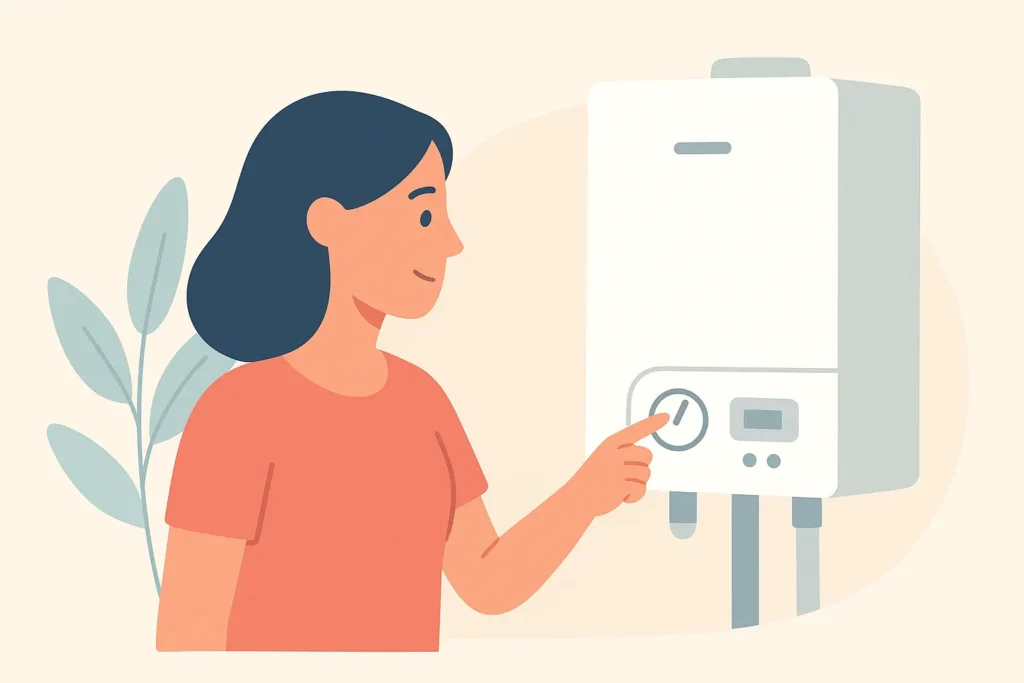
When you should turn your boiler off in summer
If you have a combi boiler and you don’t need heating at all during the summer months, it is often perfectly fine to turn the heating function off at the controls. Most modern boilers have a “summer mode” which switches off the central heating but still provides hot water on demand.
In some cases, you might decide to turn the boiler off completely at the mains. This is more common in:
- Holiday homes that are empty for weeks at a time
- Rental properties between tenancies
- Homes where occupants are away for an extended period
If the property will be empty and there’s no need for hot water, switching the boiler off can make sense. I’ve seen landlords in Calne do this between lets to avoid unnecessary running costs, just making sure the system is properly recommissioned before new tenants move in.
When it is better to leave your boiler on
For most family homes, it’s usually better not to switch the boiler off completely.
If you use hot water daily for showers, washing up and cleaning, your boiler will need to operate anyway. Turning it fully off and on again every day is impractical and can cause more wear than simply leaving it in hot water mode.
There’s also the issue of pumps and valves sticking. Over the years, I’ve attended plenty of callouts in Corsham and Devizes in September where the heating won’t come on. Quite often the cause is a stuck pump or diverter valve after months of inactivity.
Modern boilers actually run short self protection cycles from time to time, even in summer, to keep components moving. If you isolate the power completely, that protection doesn’t happen.
Energy savings and efficiency in warmer months
A common belief is that turning the boiler off will dramatically reduce energy bills. In reality, the savings during summer are usually modest.
If the heating is off at the programmer and you’re only using hot water as needed, a modern combi boiler only fires when there’s demand. It’s not sitting there constantly burning gas.
Where you can make a noticeable difference is by:
- Reducing hot water temperature slightly if it’s set excessively high
- Fixing dripping hot taps that cause the boiler to fire up repeatedly
- Insulating exposed hot water pipes
- Using timer controls properly if you have a system boiler with a cylinder
Small adjustments often save more over the course of a summer than simply turning everything off and hoping for the best.
Risks of turning your boiler off completely
Switching your boiler off at the mains for months at a time isn’t usually dangerous, but there are a few potential downsides.
Sticking pumps and valves
When components don’t move for long periods, they can seize. I’ve freed off plenty of stuck pumps with a gentle turn of a screwdriver, but sometimes parts need replacing.
Pressure issues
If your system slowly loses pressure over time due to a minor leak, you might not realise until you turn it back on in autumn and it locks out.
Forgotten faults
Minor issues in summer have a habit of becoming urgent problems on the first cold morning in October when everyone wants their heating on at once.
Tips for maintaining your boiler during summer
Summer is actually a great time to look after your heating system.
- Run your heating for 10 to 15 minutes once a month to keep everything moving
- Check your boiler pressure occasionally
- Listen for any unusual noises when hot water runs
- Book your annual service during summer when engineers are generally less busy
I always tell customers in places like Calne, Corsham and Devizes that a summer service is far less stressful than waiting until the autumn rush. You’re not competing with emergency breakdowns and you have time to fix anything before you actually need the heating.
If you’re unsure what’s included, it’s worth understanding what happens during a standard boiler service so you know your system is being properly checked.
When to call a professional heating engineer
You don’t need to call someone out just to switch your boiler to summer mode. But you should get advice if:
- Your boiler keeps losing pressure
- You notice leaks or corrosion
- It makes banging or vibrating noises
- It hasn’t been serviced in over a year
Landlords in particular have legal responsibilities around annual gas safety checks, so summer is an ideal time to get everything sorted before the colder months.
Conclusion: What is the best option for your home?
For most UK homes, the sensible option is to switch the heating off but leave the boiler on to provide hot water. That way, the system continues to protect itself and you avoid problems when autumn arrives.
If your property is going to be empty for an extended period and no hot water is needed, turning the boiler off completely can be reasonable, as long as you understand the potential downsides.
Every home is slightly different. The age of the boiler, the type of system and how the property is used all make a difference. If you’re unsure what’s right for yours, the team at AN Heating Services are always happy to offer straightforward advice based on real experience in local homes.
Need expert advice or a boiler check? Contact us to book a professional service today.