
If you live off the gas grid and rely on oil, you might be wondering whether you can still have an oil boiler fitted in 2026. With all the talk about heat pumps, net zero targets and fossil fuels being phased out, it is a fair question and one I hear regularly when I’m out on jobs across Wiltshire.
The short answer is yes, in most cases you can still install a new oil boiler in the UK. That said, there are rules to be aware of and there are situations where other options may be worth considering. Let’s break it down properly so you can make a clear and confident decision.
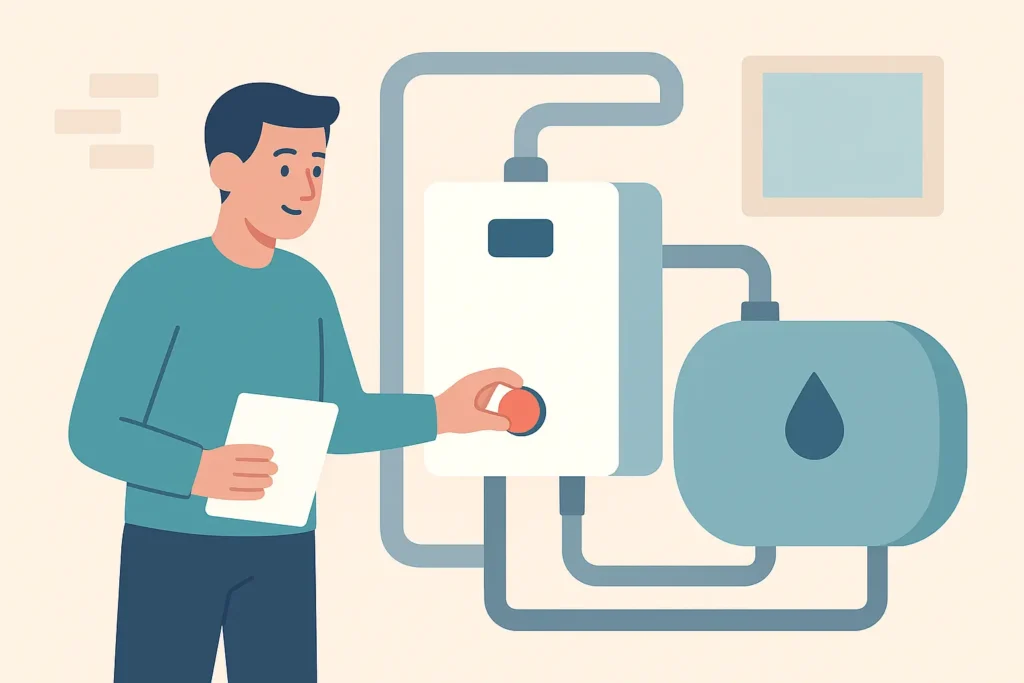
Can you still install an oil boiler in the UK?
At the time of writing, there is no outright ban on replacing an existing oil boiler in an existing home. If your current oil boiler has packed in, or is on its last legs, you are usually allowed to replace it with a new, more efficient oil model.
The proposed changes you may have heard about mainly affect new build properties. New homes in England are expected to meet stricter low carbon standards, which makes adding an oil boiler unlikely in most new builds. But for existing properties, especially those in rural areas without access to mains gas, oil remains a practical and legal option.
This is particularly relevant in places like Melksham, Westbury and Devizes, where many homes are older cottages, farmhouses or edge of town properties not connected to the gas network.
Current rules and regulations on new oil boiler installations
When installing a new oil boiler, the work must comply with Building Regulations. In practical terms, that means:
- The boiler must be a high efficiency condensing model.
- It needs to be correctly sized for the property.
- The oil tank and pipework must meet safety and environmental standards.
- The installation must be carried out by a competent, OFTEC registered engineer.
Since 2022 there has also been a requirement for most replacement fossil fuel boilers to be installed with time and temperature controls, such as programmable thermostats and TRVs. In reality, most oil systems we fit already meet these standards.
There is also increasing encouragement from government to move towards low carbon systems. Grants are available for air source heat pumps under the Boiler Upgrade Scheme. That does not mean you are forced to switch, but it does mean you should at least consider all options before making a final decision.
When installing a new oil boiler still makes sense
Despite the push for renewables, there are plenty of situations where a new oil boiler is the sensible choice.
1. Your home is not suitable for a heat pump
Heat pumps work best in well insulated homes with larger radiators or underfloor heating. I often visit older stone properties where insulation is limited and upgrading it would be disruptive or costly. In these cases, a modern oil boiler can provide reliable heat without major alterations.
2. You want a straightforward like for like replacement
If your current system is oil and it has worked well for years, replacing it with a newer, more efficient model can be the simplest route. Pipework, radiators and hot water cylinders can often stay largely as they are.
3. Budget and practicality
While grants help with heat pump costs, the overall system upgrades required in some homes can still make it a bigger investment. For some households, especially in rural areas, an oil replacement offers a good balance between cost, reliability and performance.
Alternatives to oil boilers and how they compare
If you are weighing up your options, here is a straightforward look at the main alternatives.
Air source heat pumps
These are the most common alternative for off grid properties. They are efficient and low carbon, especially when paired with good insulation. However, they run at lower temperatures than oil boilers, which can mean radiator upgrades are needed. They also require outdoor space for the unit.
Biomass boilers
Biomass systems burn wood pellets or logs. They can work well in rural properties with space for fuel storage. In reality, they require more maintenance and user involvement than oil. They are not as popular as they once were.
LPG boilers
LPG can be an option where oil storage is difficult. Performance is similar to oil. Fuel prices can vary and you still rely on deliveries and a storage tank.
The right choice depends on your property, how long you plan to stay there and how much change you are comfortable with.
Costs, efficiency and long term considerations
Modern oil boilers are far more efficient than older non condensing models. If your current boiler is 15 or 20 years old, you could see a noticeable improvement in fuel use simply by upgrading.
That said, oil prices do fluctuate. Anyone who has ordered a tank in the middle of winter knows prices can jump when demand rises. Some homeowners choose to fill up in summer when rates tend to be lower.
You should also think long term. If you expect to renovate, extend or significantly improve insulation in the next few years, that may influence whether a heat pump becomes more viable later on. A good installer will talk this through rather than just swap like for like without discussion.
How to choose the right installer and system
The quality of the installation matters just as much as the boiler itself. I have seen perfectly good boilers perform poorly because they were badly sized or rushed in.
Look for:
- An OFTEC registered engineer.
- A proper heat loss calculation, not guesswork based on the old boiler size.
- Clear advice about controls and system upgrades.
- Discussion about the condition and compliance of your oil tank.
A good engineer will also be honest if they think another system might suit your home better. It should feel like a conversation, not a sales pitch.
Conclusion: Making the right choice for your home
So, can you still install a new oil boiler? In most existing UK homes, yes you can. For many off grid properties, particularly around rural Wiltshire, it remains a practical and reliable heating solution.
The key is to look at your home as a whole. Consider insulation, future plans and your budget. Compare oil with heat pumps and other options, then make a decision based on facts rather than headlines.
If you would like straightforward advice tailored to your property, the team at AN Heating Services are always happy to talk things through properly. You can get expert advice or request a quote here and take the next step with confidence.